


Intro
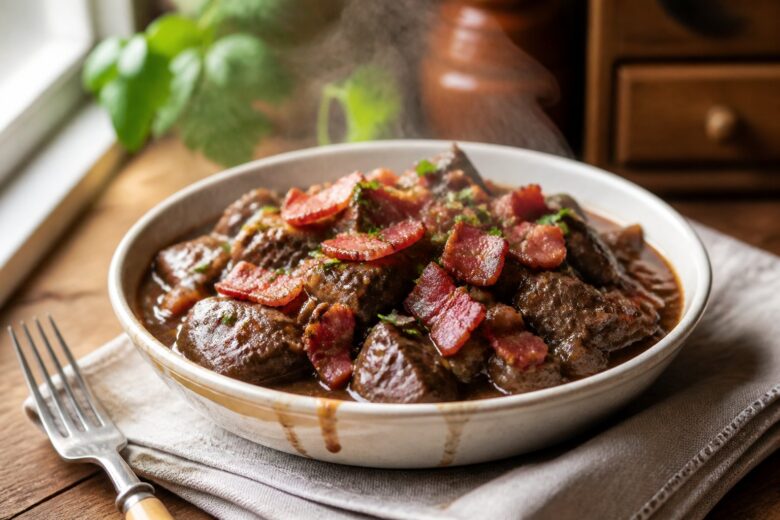
The first time I made this Mary Berry Liver and Bacon Casserole Recipe, I honestly wasn’t sure how my family would react. Liver can be one of those ingredients people either love or avoid completely. I grew up eating it occasionally because my grandmother cooked it often, but it had been years since I’d made it myself.
What surprised me most was how much the bacon changed everything. The smoky flavor balanced the richness of the liver, and the slow-cooked onions turned sweet and tender. By the time dinner was ready, the kitchen smelled amazing, and even the people who claimed they didn’t like liver ended up going back for seconds.
Since then, I’ve made this casserole several times, tweaking little things here and there. The first time I made it, I cooked the liver a bit too long before it went into the casserole, and it turned slightly tough. What worked better for me was giving it just a quick sear and letting the oven finish the job.
If you’re looking for a hearty British-style comfort meal that feels right at home on an American dinner table, this recipe is definitely worth trying.
Why This Recipe Works
There are plenty of liver recipes out there, but this one has a few things going for it that make it especially reliable.
First, the bacon adds a smoky, savory flavor that naturally softens the stronger taste of the liver. Even people who aren’t usually fans of liver often enjoy this combination.
Second, the onions slowly cook down and become sweet, creating balance throughout the dish. They help mellow the richness without covering it up completely.
The broth-based sauce keeps everything moist while baking. Instead of ending up dry or grainy, the liver stays tender and flavorful.
I also noticed that the casserole develops even better flavor after sitting for a few minutes before serving. Everything has a chance to settle together.
Equipment Needed
You don’t need any fancy equipment for this recipe.
- Large skillet or frying pan
- Medium pot
- Sharp knife
- Cutting board
- Wooden spoon or spatula
- Measuring cups
- Measuring spoons
- 9×13-inch casserole dish
- Aluminum foil
Recipe Card
Mary Berry Liver and Bacon Casserole Recipe
Prep Time: 20 minutes
Cook Time: 1 hour 5 minutes
Total Time: 1 hour 25 minutes
Servings: 6
Cuisine: British-Inspired Comfort Food
Course: Dinner
Calories: Approximately 385 calories per serving
Ingredients
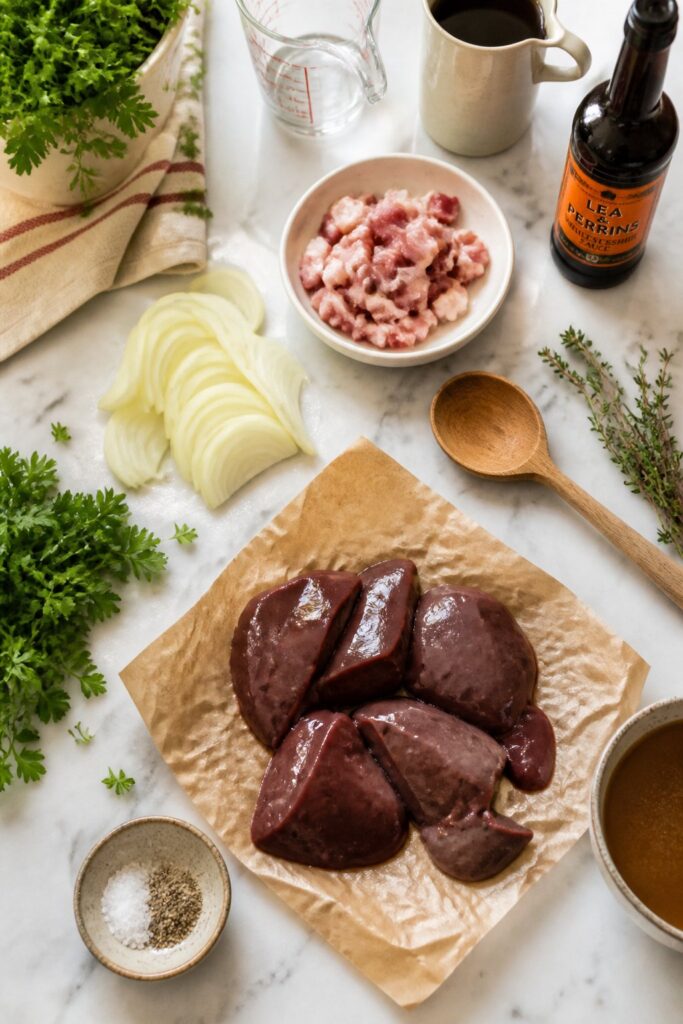
- 1½ pounds beef liver, trimmed and sliced
- 8 oz thick-cut bacon, chopped
- 2 large yellow onions, thinly sliced
- 2 tablespoons all-purpose flour
- 2 cups beef broth
- 1 tablespoon Worcestershire sauce
- 1 teaspoon dried thyme
- ½ teaspoon black pepper
- ½ teaspoon kosher salt
- 2 tablespoons butter
- 1 tablespoon olive oil
- 1 tablespoon chopped fresh parsley for garnish
Step-by-Step Instructions
Step 1: Prepare the Liver
Start by rinsing the liver under cold water and patting it completely dry with paper towels. If there are any visible membranes or tough pieces, trim them away.
Cut the liver into serving-sized pieces. Don’t make them too small because they’ll shrink slightly during cooking. Set them aside while you prepare the other ingredients.
If you’re sensitive to the flavor of liver, you can soak it in milk for 30 minutes beforehand. I do this sometimes, and it definitely creates a milder flavor.
Step 2: Cook the Bacon
Place a large skillet over medium heat and add the chopped bacon.
Cook for about 8 to 10 minutes, stirring occasionally, until the bacon becomes crispy and golden brown. You’ll notice a lot of flavorful bacon fat collecting in the pan.
Transfer the cooked bacon to a plate lined with paper towels, leaving about 2 tablespoons of the bacon drippings in the skillet.
Step 3: Cook the Onions
Add the butter to the skillet with the reserved bacon drippings.
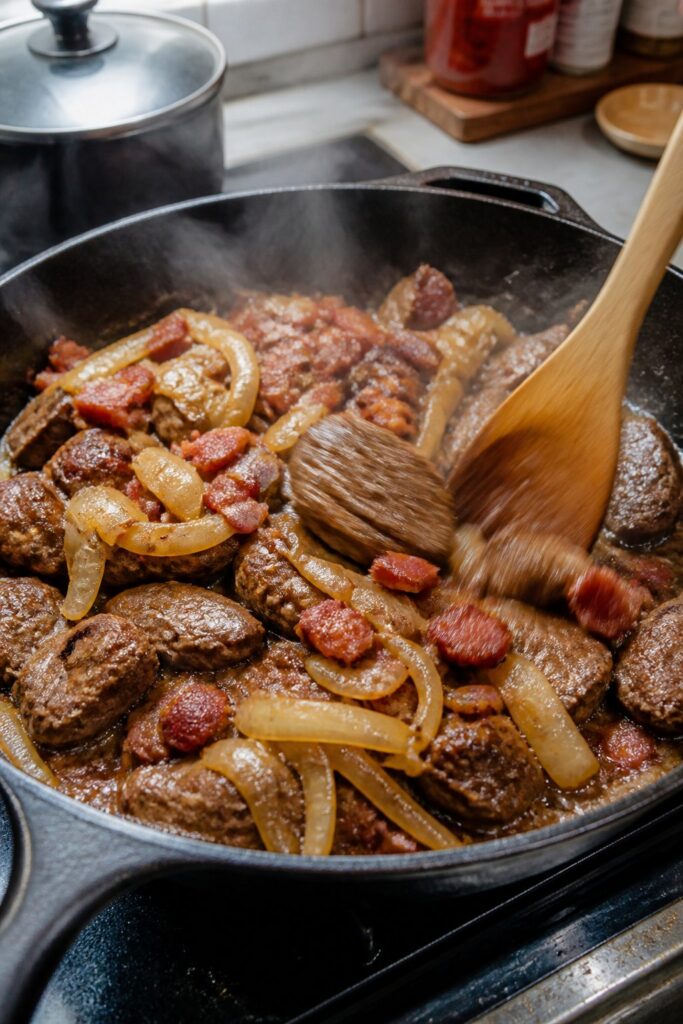
Add the sliced onions and cook over medium-low heat for about 12 to 15 minutes. Stir occasionally as they soften and slowly develop a golden color.
The onions should become soft, fragrant, and slightly caramelized. Don’t rush this part. The sweetness from the onions helps balance the stronger flavor of the liver.
Step 4: Lightly Brown the Liver
Increase the heat to medium-high and add the olive oil.
Place the liver pieces into the skillet in a single layer. Cook for about 1 minute per side. You’re not trying to cook them completely at this stage.
The goal is simply to create a little color on the outside while keeping the inside mostly uncooked. The first time I made this recipe, I browned the liver too much and it became slightly chewy later. A quick sear works much better.
Transfer the liver to a plate.
Step 5: Make the Sauce
Sprinkle the flour over the onions and stir constantly for about 1 minute.
Gradually pour in the beef broth while stirring. Continue stirring until the mixture becomes smooth and starts to thicken slightly.
Add the Worcestershire sauce, thyme, salt, and pepper. Let the sauce simmer gently for 3 to 4 minutes.
At this point, the sauce should lightly coat the back of a spoon without becoming overly thick.
Step 6: Assemble the Casserole
Preheat your oven to 325°F.
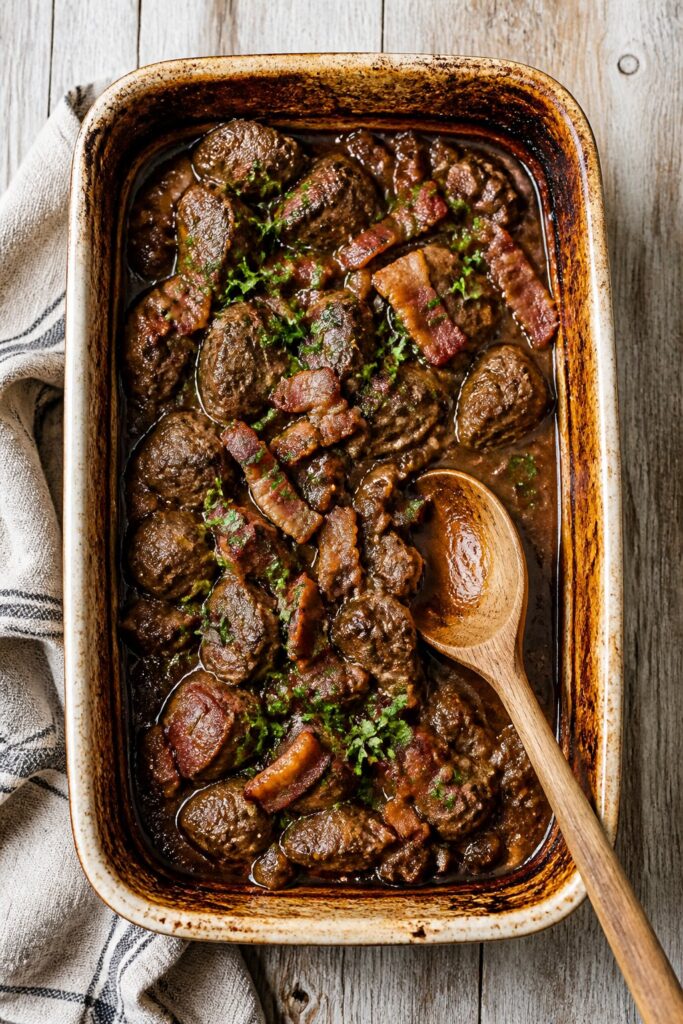
Place the liver pieces in the casserole dish. Scatter the cooked bacon evenly over the top.
Pour the onion and broth mixture over everything, making sure the liver is mostly covered.
Use a spoon to gently distribute the onions and sauce throughout the dish.
Step 7: Bake
Cover the casserole dish tightly with aluminum foil.
Bake for 40 minutes.
After 40 minutes, remove the foil and continue baking for another 10 to 15 minutes.
The sauce should be bubbling around the edges, and the liver should be tender when pierced with a fork.
Step 8: Rest and Serve
Remove the casserole from the oven and allow it to rest for about 10 minutes.
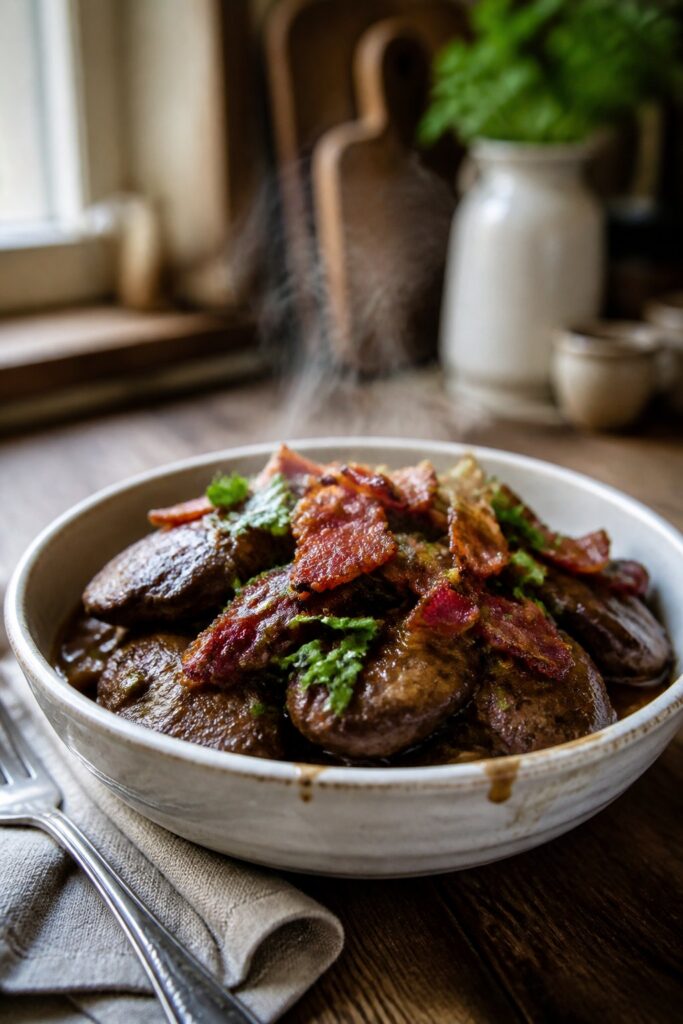
Sprinkle fresh parsley over the top before serving.
The resting period helps the sauce settle and allows the flavors to blend together even more.
Common Mistakes to Avoid
Overcooking the Liver
This is probably the biggest mistake. Liver cooks quickly and can become tough if browned too long before baking.
Skipping the Onion Cooking Time
The onions need time to soften and sweeten. Rushing them can leave the casserole lacking balance.
Using Too Much Salt
Remember that bacon and broth already contain salt. Taste carefully before adding extra seasoning.
Not Trimming the Liver
Any tough membranes should be removed before cooking. This improves texture significantly.
Baking Uncovered the Entire Time
Covering the dish during most of the cooking process helps keep everything moist and tender.
Pro Tips
- Soak liver in milk for 30 minutes if you prefer a milder flavor.
- Slice onions evenly so they cook at the same rate.
- Use thick-cut bacon for the best texture.
- Let the casserole rest before serving.
- Make the dish a few hours ahead if possible because the flavors continue developing.
- Warm plates before serving to keep the casserole hot longer.
Variations
Mushroom Version
Add 8 ounces of sliced mushrooms when cooking the onions. The earthy flavor pairs wonderfully with liver.
Red Wine Version
Replace ½ cup of the beef broth with dry red wine for extra depth.
Herb Variation
Add fresh rosemary or sage along with the thyme for a more aromatic casserole.
Chicken Liver Option
Chicken livers can be substituted for beef liver. Reduce the baking time slightly since they cook faster.
Creamy Version
Stir ¼ cup heavy cream into the sauce before baking for a richer texture.
Serving Ideas
- Creamy mashed potatoes
- Buttered egg noodles
- Roasted carrots
- Steamed green beans
- Buttered peas
- Yorkshire pudding
- Crusty bread
- Roasted parsnips
- Simple garden salad
- Braised cabbage
Make-Ahead Tips
This casserole works surprisingly well as a make-ahead meal.
You can cook the bacon, onions, and sauce up to one day in advance. Store everything separately in the refrigerator until you’re ready to assemble.
You can also assemble the entire casserole several hours before baking. Cover it tightly and refrigerate.
When baking from cold, add about 10 extra minutes to the cooking time.
I noticed the flavors often taste even better the next day, which makes this a great option for meal prep.
Storage & Reheating Tips
Refrigerating
Store leftovers in an airtight container for up to 3 days.
Allow the casserole to cool before refrigerating.
Freezing
Freeze portions in freezer-safe containers for up to 2 months.
Thaw overnight in the refrigerator before reheating.
Reheating
For best results, reheat in a 325°F oven until warmed through.
You can also use the microwave in shorter intervals, stirring occasionally to distribute heat evenly.
Avoid overheating because liver can become tough when repeatedly cooked.
Frequently Asked Questions
Can I make this Mary Berry Liver and Bacon Casserole Recipe with chicken liver?
Yes. Chicken liver works well and has a milder flavor. Just reduce cooking time slightly because chicken livers cook faster than beef liver.
Why soak liver in milk?
Milk helps reduce some of the stronger flavors associated with liver. Many home cooks use this method for a milder taste.
Can I prepare this casserole ahead of time?
Absolutely. Assemble the dish several hours ahead or even the day before and refrigerate until ready to bake.
What type of liver works best?
Beef liver is traditional and holds up well during baking. Calf’s liver is also excellent if available.
How do I know when the liver is done?
The liver should be tender and no longer raw in the center. It should still have some moisture and not appear dry.
Can I freeze leftovers?
Yes. Cool completely before freezing in airtight containers for up to 2 months.
Final Thoughts
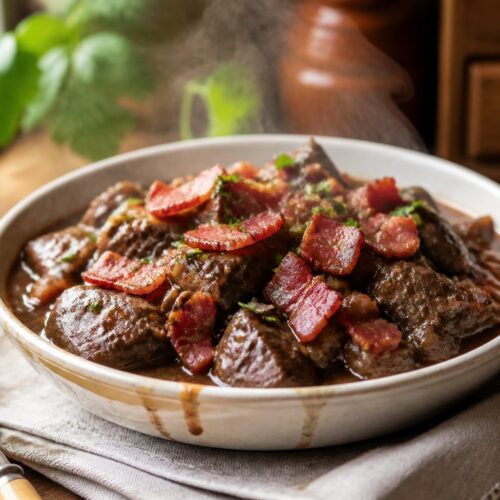
This Mary Berry Liver and Bacon Casserole Recipe is one of those old-fashioned meals that deserves more attention. It isn’t trendy, and it won’t win any social media beauty contests, but it delivers on flavor and comfort every single time.
The combination of tender liver, smoky bacon, sweet onions, and rich broth creates a dish that feels hearty without being complicated. What worked better for me was keeping the preparation simple and letting the ingredients do most of the work.
If you’ve never cooked liver before, this Mary Berry Liver and Bacon Casserole Recipe is a good place to start. And if you’ve enjoyed liver for years, you’ll probably appreciate how balanced and satisfying this version is.
I still remember being unsure the first time I made it. Now it’s one of those recipes I come back to whenever I want something warm, filling, and a little nostalgic. Sometimes the old recipes really are worth keeping around.
Mary Berry Liver and Bacon Casserole Recipe

Equipment
- Large skillet or frying pan
- Medium pot
- Sharp knife
- Cutting board
- Wooden spoon or spatula
- Measuring cups
- Measuring spoons
- 9×13-inch casserole dish
- Aluminum foil
Ingredients
- 1½ pounds beef liver trimmed and sliced
- 8 oz thick-cut bacon chopped
- 2 large yellow onions thinly sliced
- 2 tablespoons all-purpose flour
- 2 cups beef broth
- 1 tablespoon Worcestershire sauce
- 1 teaspoon dried thyme
- ½ teaspoon black pepper
- ½ teaspoon kosher salt
- 2 tablespoons butter
- 1 tablespoon olive oil
- 1 tablespoon chopped fresh parsley for garnish
Instructions
Step 1: Prepare the Liver
- Start by rinsing the liver under cold water and patting it completely dry with paper towels. If there are any visible membranes or tough pieces, trim them away.
- Cut the liver into serving-sized pieces. Don’t make them too small because they’ll shrink slightly during cooking. Set them aside while you prepare the other ingredients.
- If you’re sensitive to the flavor of liver, you can soak it in milk for 30 minutes beforehand. I do this sometimes, and it definitely creates a milder flavor.
Step 2: Cook the Bacon
- Place a large skillet over medium heat and add the chopped bacon.
- Cook for about 8 to 10 minutes, stirring occasionally, until the bacon becomes crispy and golden brown. You’ll notice a lot of flavorful bacon fat collecting in the pan.
- Transfer the cooked bacon to a plate lined with paper towels, leaving about 2 tablespoons of the bacon drippings in the skillet.
Step 3: Cook the Onions
- Add the butter to the skillet with the reserved bacon drippings.
- Add the sliced onions and cook over medium-low heat for about 12 to 15 minutes. Stir occasionally as they soften and slowly develop a golden color.
- The onions should become soft, fragrant, and slightly caramelized. Don’t rush this part. The sweetness from the onions helps balance the stronger flavor of the liver.
Step 4: Lightly Brown the Liver
- Increase the heat to medium-high and add the olive oil.
- Place the liver pieces into the skillet in a single layer. Cook for about 1 minute per side. You’re not trying to cook them completely at this stage.
- The goal is simply to create a little color on the outside while keeping the inside mostly uncooked. The first time I made this recipe, I browned the liver too much and it became slightly chewy later. A quick sear works much better.
- Transfer the liver to a plate.
Step 5: Make the Sauce
- Sprinkle the flour over the onions and stir constantly for about 1 minute.
- Gradually pour in the beef broth while stirring. Continue stirring until the mixture becomes smooth and starts to thicken slightly.
- Add the Worcestershire sauce, thyme, salt, and pepper. Let the sauce simmer gently for 3 to 4 minutes.
- At this point, the sauce should lightly coat the back of a spoon without becoming overly thick.
Step 6: Assemble the Casserole
- Preheat your oven to 325°F.
- Place the liver pieces in the casserole dish. Scatter the cooked bacon evenly over the top.
- Pour the onion and broth mixture over everything, making sure the liver is mostly covered.
- Use a spoon to gently distribute the onions and sauce throughout the dish.
Step 7: Bake
- Cover the casserole dish tightly with aluminum foil.
Bake for 40 minutes.
- After 40 minutes, remove the foil and continue baking for another 10 to 15 minutes.
- The sauce should be bubbling around the edges, and the liver should be tender when pierced with a fork.
Step 8: Rest and Serve
- Remove the casserole from the oven and allow it to rest for about 10 minutes.
- Sprinkle fresh parsley over the top before serving.
- The resting period helps the sauce settle and allows the flavors to blend together even more.
Notes
- Soak liver in milk for 30 minutes if you prefer a milder flavor.
- Slice onions evenly so they cook at the same rate.
- Use thick-cut bacon for the best texture.
- Let the casserole rest before serving.
- Make the dish a few hours ahead if possible because the flavors continue developing.
- Warm plates before serving to keep the casserole hot longer.
