


Intro
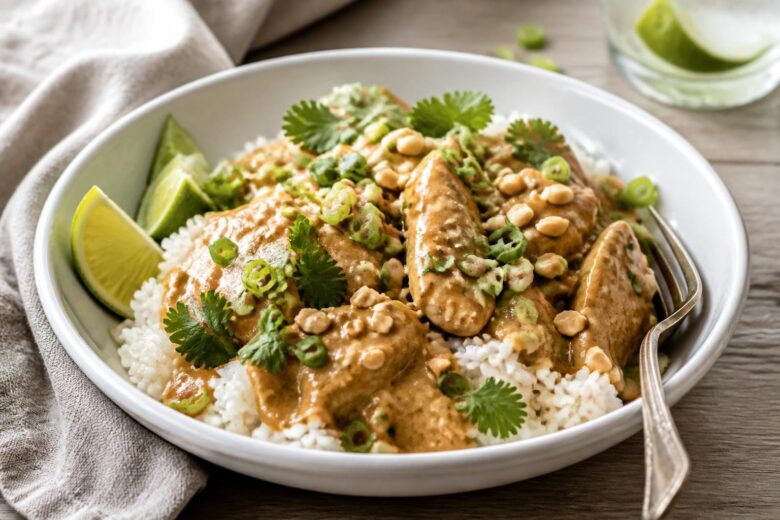
Trader Joe’s Thai Peanut Satay Sauce Recipe was one of those random grocery store finds that totally saved dinner at my house a few months ago. I grabbed the bottle during a rushed Trader Joe’s trip because honestly, I was tired of making the same chicken dinners every week. I figured it might work as a dipping sauce or maybe a quick marinade, but I didn’t expect much.
The first time I made this recipe, I actually burned the chicken a little because I had the skillet too hot. The peanut sauce caramelizes fast, which I learned the hard way.
But even with slightly charred edges, everybody still cleaned their plates. Since then, I’ve tweaked the timing and added a couple small things that made it work way better in a regular home kitchen.
This Trader Joe’s Thai Peanut Satay Sauce Recipe has become one of those meals I keep in rotation when I want something flavorful without spending an hour cooking. It tastes rich and creamy with a little salty-sweet balance, and it works with chicken, rice bowls, noodles, or even roasted veggies.
I also like that it feels a little different from standard weeknight dinners without requiring hard-to-find ingredients. Most of the stuff is either from Trader Joe’s or basic pantry ingredients you probably already have.
Why This Recipe Works
There are a few practical reasons this recipe turns out really well without much effort.
- The peanut satay sauce already has a balanced flavor, so you don’t need a giant list of spices.
- A little lime juice helps cut through the richness and keeps the sauce from tasting too heavy.
- Brown sugar helps the sauce caramelize slightly when cooked.
- Using thin chicken strips means dinner cooks quickly and evenly.
- The sauce coats rice and noodles really well without becoming watery.
I noticed that adding just a splash of warm water to the sauce before cooking makes a big difference too. The first time I skipped that step, the sauce got thick too quickly in the pan.
Equipment Needed
You really don’t need anything fancy for this recipe.
- Large skillet or frying pan
- Medium pot for rice
- Knife
- Cutting board
- Mixing bowl
- Wooden spoon or spatula
- Measuring cups and spoons
- Tongs (helpful but not required)
Recipe Card
Trader Joe’s Thai Peanut Satay Sauce Recipe
Prep Time: 12 minutes
Cook Time: 18 minutes
Total Time: 30 minutes
Servings: 4
Cuisine: Thai-American Fusion
Course: Dinner
Calories: Approximately 540 calories per serving
Ingredients
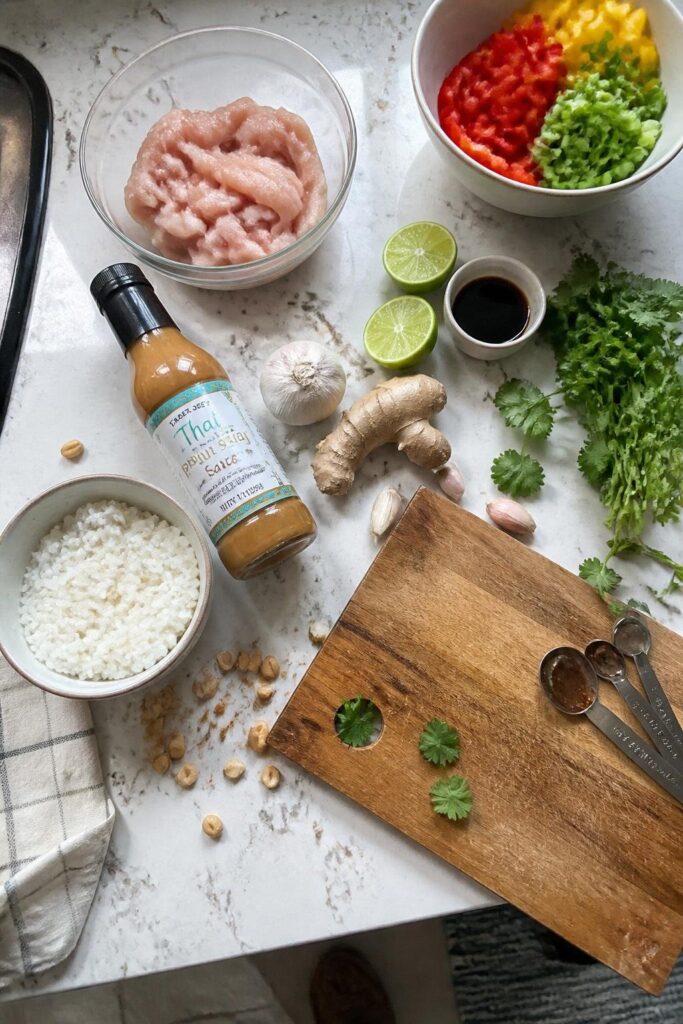
For the chicken and sauce:
- 1 1/2 pounds boneless skinless chicken breasts, sliced into thin strips
- 3/4 cup Trader Joe’s Thai Peanut Satay Sauce
- 1 tablespoon soy sauce
- 1 tablespoon lime juice
- 1 tablespoon brown sugar
- 2 teaspoons olive oil
- 2 cloves garlic, minced
- 1 teaspoon grated fresh ginger
- 2 tablespoons warm water
- 1/4 teaspoon red pepper flakes (optional)
For serving:
- 2 cups cooked jasmine rice
- 1/4 cup chopped peanuts
- 2 green onions, sliced
- Fresh cilantro
- Lime wedges
Optional vegetables:
- 1 red bell pepper, sliced
- 1 cup broccoli florets
- 1 small carrot, thinly sliced
Step-by-Step Instructions
Step 1: Prepare the Chicken
Slice the chicken breasts into thin strips, about half an inch thick. Try to keep the pieces close in size so they cook evenly. I used to leave the strips too thick because I was rushing, but thinner pieces really work better here. Pat the chicken dry with paper towels before seasoning because that helps it brown instead of steam.
Place the chicken in a bowl and add the soy sauce, garlic, ginger, and olive oil. Toss everything together until the chicken is coated. Let it sit for about 10 minutes while you prep the other ingredients. You don’t need a long marinade time because the satay sauce brings most of the flavor.
Step 2: Make the Peanut Sauce Mixture
In another bowl, stir together the Trader Joe’s Thai Peanut Satay Sauce, lime juice, brown sugar, warm water, and red pepper flakes if using. The warm water helps loosen the sauce a little so it coats the chicken evenly.
The sauce should look creamy but pourable. If it seems really thick, add another tablespoon of warm water. I noticed different bottles sometimes vary slightly in thickness.
Step 3: Cook the Rice
Cook the jasmine rice according to package directions. Usually I use 1 cup of rice with 1 3/4 cups water.
Bring the water to a boil, lower the heat, cover, and simmer until the rice is tender and fluffy. Mine usually takes around 15 minutes. Once cooked, let it sit covered for 5 minutes before fluffing with a fork.
Sometimes I make the rice earlier in the day because this dinner comes together pretty fast once the skillet gets hot.
Step 4: Cook the Chicken
Heat a large skillet over medium heat. Once hot, add the chicken in a single layer. You may need to cook it in two batches depending on your pan size.
Cook for about 4 to 5 minutes on the first side without moving it too much. You want some golden brown color. Flip the chicken and cook another 3 to 4 minutes.
The kitchen starts smelling really good at this point because the garlic and ginger cook into the chicken.
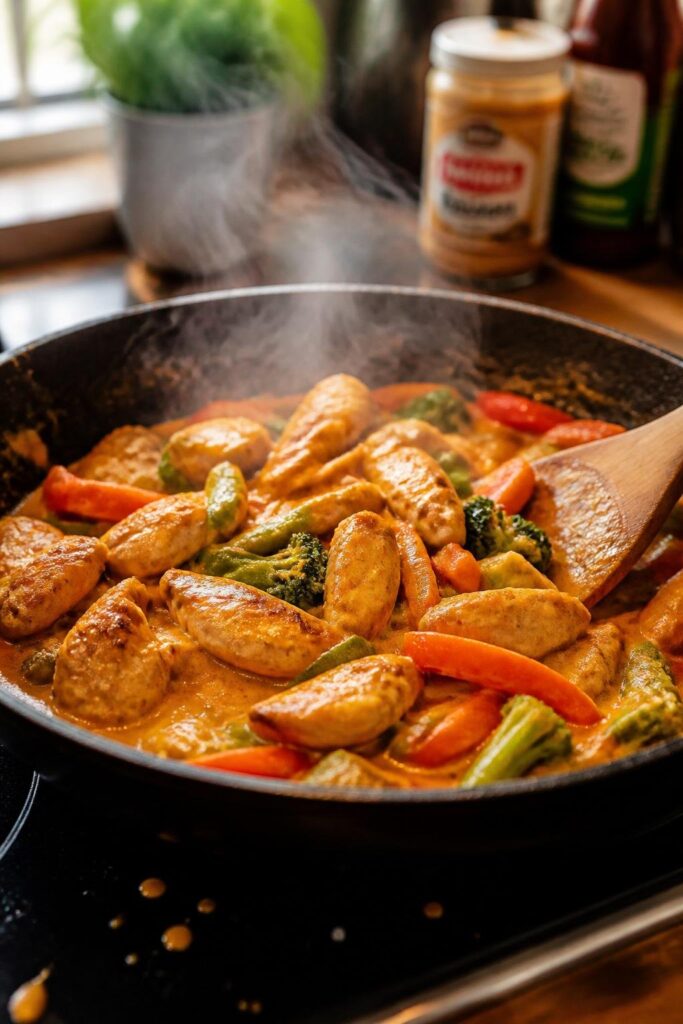
If using vegetables, add the broccoli, peppers, and carrots during the last few minutes of cooking. Stir occasionally until they become slightly tender but still have a little crunch.
Step 5: Add the Sauce
Lower the heat slightly before pouring in the peanut sauce mixture. This part matters because peanut sauces can scorch quickly.
Stir everything together so the chicken gets coated evenly. Let the sauce simmer gently for about 3 to 4 minutes until slightly thickened.
The sauce should cling to the chicken without becoming pasty. If it thickens too much, add a splash of water.
The first time I made this Trader Joe’s Thai Peanut Satay Sauce Recipe, I walked away from the pan for maybe two minutes and the sauce got way too sticky. Now I stay nearby and stir pretty often during this step.
Step 6: Assemble and Serve
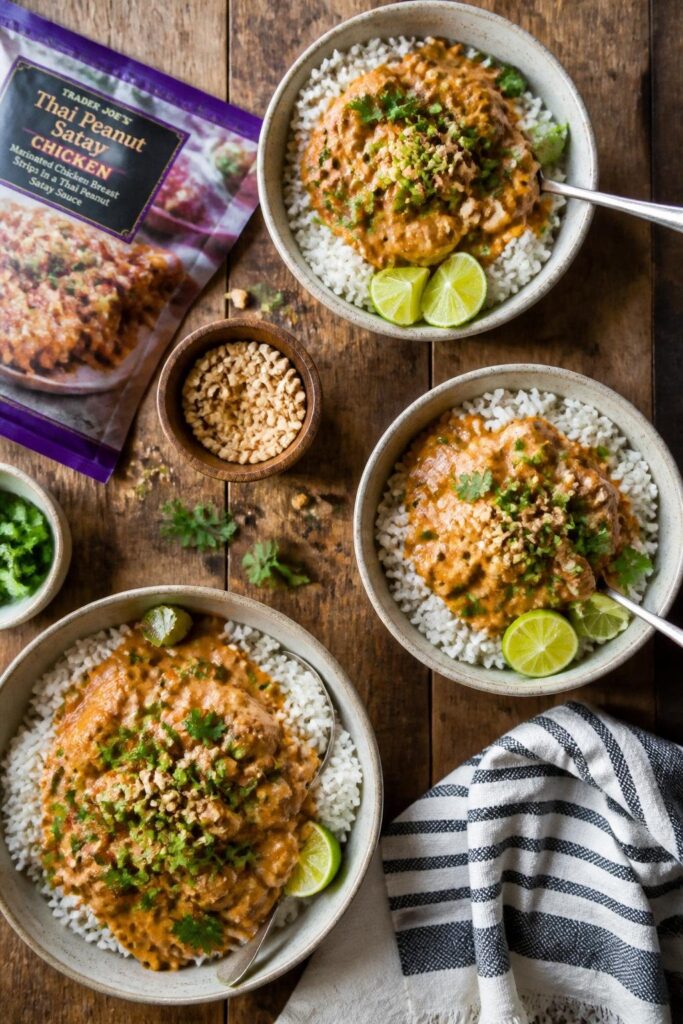
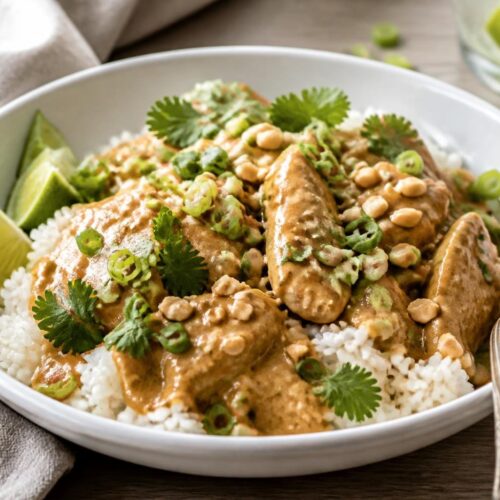
Spoon rice into bowls and top with the peanut chicken mixture.
Add chopped peanuts, green onions, cilantro, and fresh lime wedges. I usually squeeze extra lime juice over mine because it brightens everything up.
Serve immediately while the sauce is still creamy and warm.
Common Mistakes to Avoid
Using High Heat the Entire Time
Peanut sauce burns faster than people expect because of the sugar content. Medium heat works much better.
Skipping the Water in the Sauce
The sauce needs a little thinning before cooking. Otherwise it can become thick and sticky too quickly.
Overcrowding the Pan
If the skillet is packed full, the chicken steams instead of browning.
Overcooking the Vegetables
The veggies should still have some texture. Mushy broccoli doesn’t work well with this sauce.
Forgetting Acid
The lime juice balances the richness. Without it, the dish can taste kind of flat.
Pro Tips
- Slice chicken while it’s slightly cold for cleaner cuts.
- Use chicken thighs if you want juicier meat.
- Warm the sauce slightly before mixing if it’s been refrigerated.
- Add a spoonful of peanut butter if you like extra peanut flavor.
- Fresh lime juice tastes noticeably better than bottled.
- A tiny drizzle of sesame oil at the end adds extra flavor.
What worked better for me was cooking the vegetables separately the second time around. They stayed crisper that way.
Variations
Shrimp Version
Swap the chicken for 1 pound peeled shrimp. Shrimp cooks much faster, usually about 2 minutes per side.
Vegetarian Option
Use crispy tofu instead of chicken. Press the tofu first so it browns better.
Noodle Bowl Style
Serve the peanut sauce mixture over rice noodles instead of jasmine rice.
Spicy Version
Add sriracha, chili garlic sauce, or sliced Thai chilies.
Extra Veggie Bowl
Add snap peas, cabbage, mushrooms, or zucchini.
This Trader Joe’s Thai Peanut Satay Sauce Recipe is actually pretty flexible once you get comfortable with the basic sauce ratio.
Serving Ideas
Here are some easy side ideas that work really well with this dish.
- Cucumber salad with rice vinegar
- Simple cabbage slaw
- Roasted green beans
- Garlic edamame
- Chilled iced tea
- Sparkling lime water
- Warm naan or flatbread
Sometimes I serve this with frozen Trader Joe’s vegetable fried rice when I’m extra tired and don’t want to cook another side.
Make-Ahead Tips
This recipe works surprisingly well for meal prep.
- Slice the chicken up to 1 day ahead.
- Mix the sauce ingredients in advance and refrigerate.
- Cook the rice ahead and reheat later.
- Chop vegetables earlier in the day.
You can even fully cook the recipe and portion it into containers for lunches.
I noticed the flavor gets a little deeper the next day after everything sits together overnight.
Storage & Reheating Tips
Store leftovers in an airtight container in the refrigerator for up to 4 days.
For reheating, microwave individual portions in 30-second intervals, stirring between each round.
You can also reheat everything in a skillet over medium-low heat with a splash of water.
The sauce thickens in the fridge, which is normal.
I don’t really recommend freezing this recipe. The peanut sauce texture changes slightly after thawing and can become grainy.
FAQs
Can I use Trader Joe’s Thai Peanut Satay Sauce as a marinade?
Yes, but I recommend mixing it with a little soy sauce and lime juice first. Straight from the bottle, it can be slightly thick for marinating.
Is this recipe spicy?
Not very spicy. The peanut sauce has mild heat, but it’s pretty balanced. You can add extra chili flakes if you want more spice.
Can I use chicken thighs instead of chicken breasts?
Absolutely. Chicken thighs stay juicy and work really well in this Trader Joe’s Thai Peanut Satay Sauce Recipe.
What vegetables go best with peanut satay sauce?
Broccoli, bell peppers, carrots, snap peas, and cabbage all work well.
Can I make this dairy-free?
Yes. The sauce is already dairy-free, so just double-check any sides you serve with it.
How do I thin peanut sauce if it gets too thick?
Add warm water one tablespoon at a time while stirring.
More Helpful Notes From My Kitchen
One thing I learned after making this several times is that the sauce tastes slightly different depending on what you pair it with. With jasmine rice, the flavor feels richer and creamier. With noodles, it almost tastes lighter somehow.
I also tried baking the chicken once instead of using a skillet. It worked okay, but honestly the stovetop version had better texture because the sauce coated everything more evenly.
If your family likes sweeter peanut sauce, you can add another teaspoon of brown sugar. My kids preferred it slightly sweeter, while I liked extra lime juice better.
Another small thing that helped was letting the chicken rest for a couple minutes before mixing with the sauce. It kept the meat from releasing too much liquid into the skillet.
Trader Joe’s Thai Peanut Satay Sauce Recipe also works great for casual dinners when people are eating at different times. The sauce reheats pretty nicely without drying out.
Easy Ways to Customize the Recipe
Some nights I use whatever vegetables are hanging around in the fridge. This recipe is forgiving enough for that.
Here are a few additions that worked surprisingly well:
- Thin sliced cucumbers added after cooking
- Crushed ramen noodles on top for crunch
- Chopped cashews instead of peanuts
- Fresh mint mixed with cilantro
- A spoonful of chili crisp
- Leftover rotisserie chicken
The rotisserie chicken shortcut actually saved dinner one night when I realized way too late that I forgot to thaw chicken breasts.
Texture and Flavor Notes
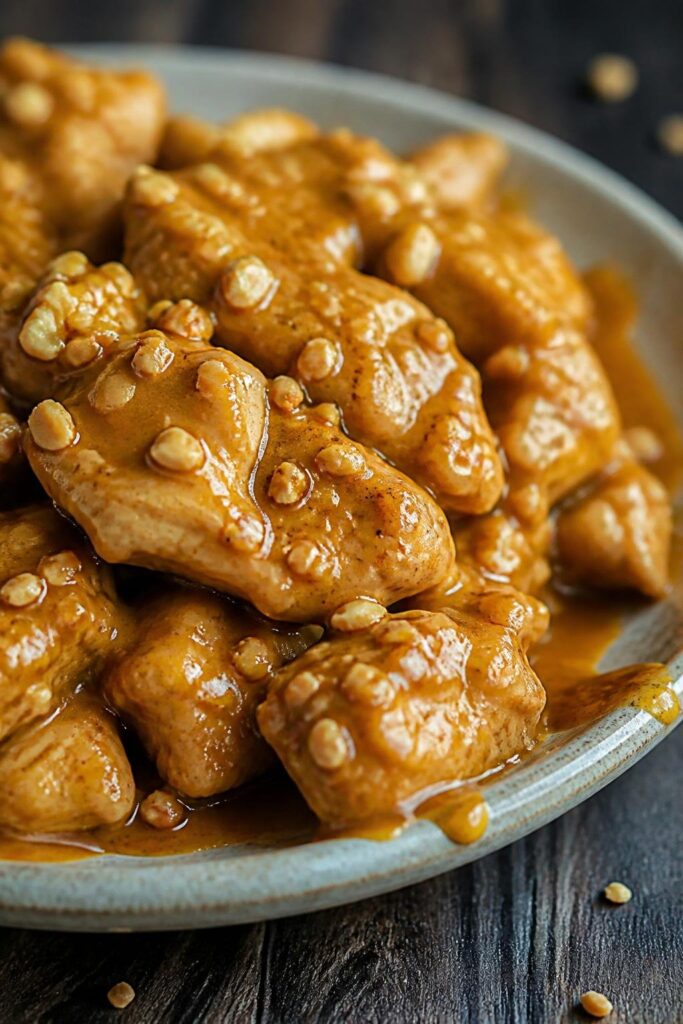
The finished dish should have a creamy coating on the chicken without becoming soupy.
The flavor balance is mostly:
- Creamy peanut flavor
- Mild sweetness
- Savory soy sauce
- Bright lime
- Slight garlic and ginger warmth
If one flavor feels too strong, you can adjust pretty easily.
Too salty? Add lime juice.
Too thick? Add warm water.
Too sweet? Add soy sauce or chili flakes.
Too mild? Add garlic or sriracha.
That’s one reason this Trader Joe’s Thai Peanut Satay Sauce Recipe became a regular meal at my house. It’s hard to completely ruin once you understand the basic balance.
Pairing Ideas for a Full Dinner
If you want to stretch this into a bigger dinner spread, here are a few things I’ve served alongside it:
- Thai-style cucumber salad
- Coconut rice
- Fresh pineapple chunks
- Lettuce wraps
- Steamed dumplings
- Mango iced tea
- Crispy wontons
For drinks, sparkling water with lime works surprisingly well because it cuts through the richness of the peanut sauce.
Budget-Friendly Tips
This meal can stay pretty affordable with a few simple swaps.
- Use chicken thighs instead of breasts.
- Buy frozen vegetables.
- Stretch the recipe with extra rice.
- Add cabbage for a cheap veggie option.
- Use store-brand jasmine rice.
Trader Joe’s sauces are usually reasonably priced already, which helps.
I started making bigger batches because leftovers disappeared faster than I expected.
Trader Joe’s Thai Peanut Satay Sauce Recipe

Equipment
- Large skillet or frying pan
- Medium pot for rice
- Knife
- Cutting board
- Mixing bowl
- Wooden spoon or spatula
- Measuring cups and spoons
- Tongs (helpful but not required)
Ingredients
For the chicken and sauce:
- 1 1/2 pounds boneless skinless chicken breasts sliced into thin strips
- 3/4 cup Trader Joe’s Thai Peanut Satay Sauce
- 1 tablespoon soy sauce
- 1 tablespoon lime juice
- 1 tablespoon brown sugar
- 2 teaspoons olive oil
- 2 cloves garlic minced
- 1 teaspoon grated fresh ginger
- 2 tablespoons warm water
- 1/4 teaspoon red pepper flakes optional
For serving:
- 2 cups cooked jasmine rice
- 1/4 cup chopped peanuts
- 2 green onions sliced
- Fresh cilantro
- Lime wedges
Optional vegetables:
- 1 red bell pepper sliced
- 1 cup broccoli florets
- 1 small carrot thinly sliced
Instructions
Step 1: Prepare the Chicken
- Slice the chicken breasts into thin strips, about half an inch thick. Try to keep the pieces close in size so they cook evenly. I used to leave the strips too thick because I was rushing, but thinner pieces really work better here. Pat the chicken dry with paper towels before seasoning because that helps it brown instead of steam.
- Place the chicken in a bowl and add the soy sauce, garlic, ginger, and olive oil. Toss everything together until the chicken is coated. Let it sit for about 10 minutes while you prep the other ingredients. You don’t need a long marinade time because the satay sauce brings most of the flavor.
Step 2: Make the Peanut Sauce Mixture
- In another bowl, stir together the Trader Joe’s Thai Peanut Satay Sauce, lime juice, brown sugar, warm water, and red pepper flakes if using. The warm water helps loosen the sauce a little so it coats the chicken evenly.
- The sauce should look creamy but pourable. If it seems really thick, add another tablespoon of warm water. I noticed different bottles sometimes vary slightly in thickness.
Step 3: Cook the Rice
- Cook the jasmine rice according to package directions. Usually I use 1 cup of rice with 1 3/4 cups water.
- Bring the water to a boil, lower the heat, cover, and simmer until the rice is tender and fluffy. Mine usually takes around 15 minutes. Once cooked, let it sit covered for 5 minutes before fluffing with a fork.
- Sometimes I make the rice earlier in the day because this dinner comes together pretty fast once the skillet gets hot.
Step 4: Cook the Chicken
- Heat a large skillet over medium heat. Once hot, add the chicken in a single layer. You may need to cook it in two batches depending on your pan size.
- Cook for about 4 to 5 minutes on the first side without moving it too much. You want some golden brown color. Flip the chicken and cook another 3 to 4 minutes.
- The kitchen starts smelling really good at this point because the garlic and ginger cook into the chicken.
- If using vegetables, add the broccoli, peppers, and carrots during the last few minutes of cooking. Stir occasionally until they become slightly tender but still have a little crunch.
Step 5: Add the Sauce
- Lower the heat slightly before pouring in the peanut sauce mixture. This part matters because peanut sauces can scorch quickly.
- Stir everything together so the chicken gets coated evenly. Let the sauce simmer gently for about 3 to 4 minutes until slightly thickened.
- The sauce should cling to the chicken without becoming pasty. If it thickens too much, add a splash of water.
- The first time I made this Trader Joe’s Thai Peanut Satay Sauce Recipe, I walked away from the pan for maybe two minutes and the sauce got way too sticky. Now I stay nearby and stir pretty often during this step.
Step 6: Assemble and Serve
- Spoon rice into bowls and top with the peanut chicken mixture.
- Add chopped peanuts, green onions, cilantro, and fresh lime wedges. I usually squeeze extra lime juice over mine because it brightens everything up.
- Serve immediately while the sauce is still creamy and warm.
Notes
- Slice chicken while it’s slightly cold for cleaner cuts.
- Use chicken thighs if you want juicier meat.
- Warm the sauce slightly before mixing if it’s been refrigerated.
- Add a spoonful of peanut butter if you like extra peanut flavor.
- Fresh lime juice tastes noticeably better than bottled.
- A tiny drizzle of sesame oil at the end adds extra flavor.
Final Thoughts
Trader Joe’s Thai Peanut Satay Sauce Recipe turned into one of those easy dinners I rely on when I want something comforting but still flavorful.
It doesn’t require complicated cooking techniques or specialty equipment, which honestly makes it more realistic for busy weeknights. The sauce does most of the heavy lifting, but a few small tweaks like fresh lime juice and garlic help it taste more homemade.
What I like most is that it feels flexible. You can make it with chicken, shrimp, tofu, noodles, or vegetables depending on what you already have.
And even when I slightly overcooked the chicken that first time, everybody still went back for seconds, so that says something.
If you try this recipe, don’t stress too much about making it look perfect. Just keep an eye on the sauce, taste as you go, and adjust things to your liking. That’s usually when home cooking turns out best anyway.
