


Personal Introduction
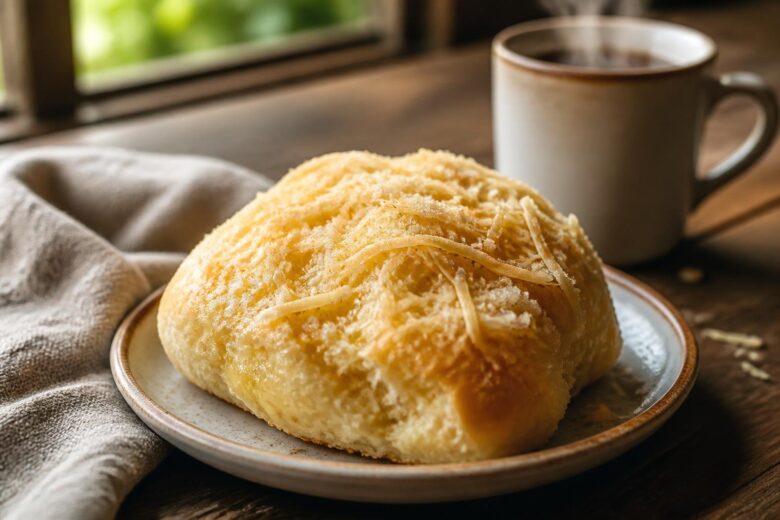
The first time I tried a Mary Grace Ensaymada Recipe, I honestly didn’t expect to love it as much as I did. I’ve always liked sweet bread, but this was different. It was soft, buttery, lightly salty from the cheese on top, and somehow tasted comforting without being overly rich.
A friend brought a box over during the holidays a few years ago, and I remember eating one while it was still slightly warm from the drive. I immediately understood why people get obsessed with these.
After that, I spent way too much time trying to recreate the texture at home. Some batches turned out dry. One batch barely rose at all because I killed the yeast with milk that was too hot. That was frustrating.
But eventually, I found a version that feels close to the soft, fluffy bakery-style ensaymada most people are hoping for.
What I like about this Mary Grace Ensaymada Recipe is that it feels homemade in the best possible way. The dough is soft and slightly rich, the butter topping melts into every bite, and the cheese balances the sweetness perfectly.
I noticed the biggest difference came from being patient with the dough. The first time I rushed the rising process, the rolls were heavy and dense. Giving the dough enough time really changes everything.
This recipe does take a little effort, but it’s the kind of baking project that makes your kitchen smell amazing for hours.
And honestly, once you taste warm homemade ensaymada with melted butter and sugar on top, store-bought versions just don’t hit the same.
Why This Recipe Works
There are a few reasons this Mary Grace Ensaymada Recipe turns out soft and flavorful.
- Warm milk and butter help create a rich dough texture.
- Bread flour gives the rolls enough structure while still staying soft.
- Eggs add richness and color.
- The dough rises twice, which helps create a lighter texture.
- Butter, sugar, and cheese topping gives that classic sweet-salty balance.
I also think using room temperature ingredients helps more than people realize. The dough mixes together smoother and rises more evenly.
The cheese on top might sound unusual if you’ve never had Filipino ensaymada before, but it really works.
Equipment Needed
You don’t need fancy baking equipment for this recipe.
- Large mixing bowl
- Measuring cups and spoons
- Wooden spoon or spatula
- Stand mixer (optional but helpful)
- Baking pan or muffin tins
- Knife
- Pastry brush
- Kitchen towel
- Cooling rack
I usually make these in regular muffin pans because that’s what I already own.
Recipe Card
Mary Grace Ensaymada Recipe Summary
- Prep Time: 35 minutes
- Rise Time: 2 hours
- Cook Time: 18 minutes
- Total Time: 2 hours 53 minutes
- Servings: 12 ensaymada rolls
- Cuisine: Filipino
- Course: Breakfast
- Calories: Approximately 320 calories per roll
Ingredients
For the Dough
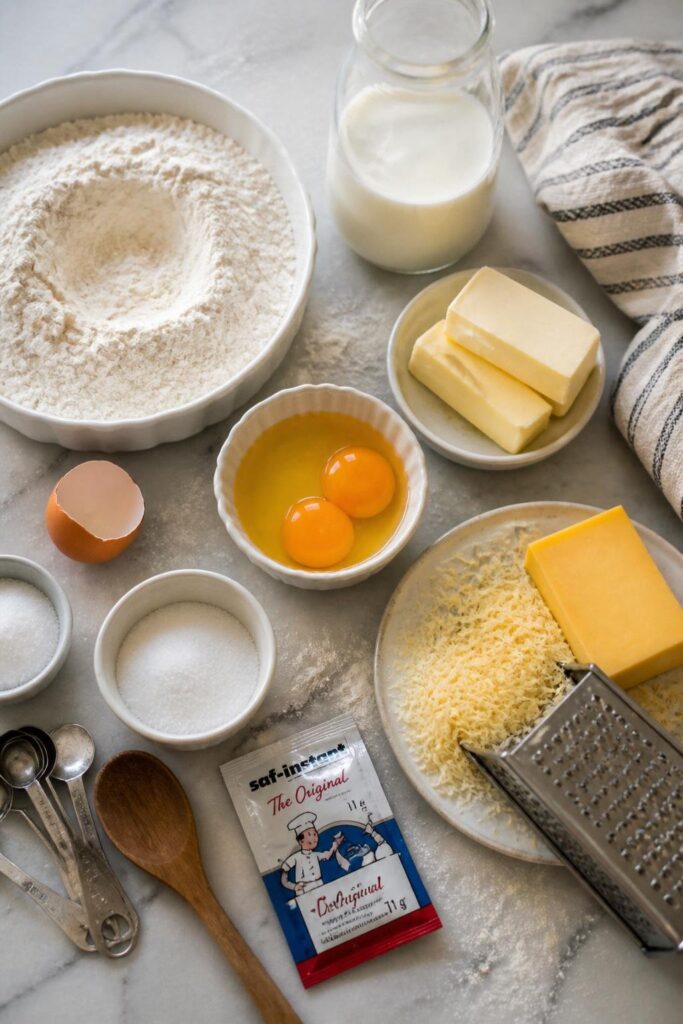
- 4 cups bread flour
- 1 packet active dry yeast (2 1/4 teaspoons)
- 3/4 cup warm whole milk
- 1/2 cup granulated sugar
- 1/2 cup unsalted butter, melted
- 3 large egg yolks
- 1 whole egg
- 1 teaspoon salt
- 1 teaspoon vanilla extract
For the Topping
- 1/2 cup softened unsalted butter
- 1/3 cup granulated sugar
- 1 cup grated cheddar cheese
Step-by-Step Instructions
Step 1: Activate the Yeast
In a large mixing bowl, combine the warm milk, yeast, and 1 tablespoon of the sugar.
Let it sit for about 5 to 10 minutes until the mixture looks foamy.
If nothing happens, the yeast may be old or the milk may have been too hot. I’ve done both before.
The milk should feel warm, not hot.
Step 2: Mix the Wet Ingredients
Add the melted butter, remaining sugar, egg yolks, whole egg, vanilla extract, and salt.
Whisk everything together until smooth.
The mixture will smell buttery and slightly sweet already.
Step 3: Add the Flour
Slowly add the bread flour, about one cup at a time.
Mix until a soft dough forms.
Once the dough starts pulling away from the bowl, knead it for about 8 to 10 minutes.
You can do this by hand or with a stand mixer.
The dough should become smooth, stretchy, and slightly tacky but not overly sticky.
I noticed adding too much flour too quickly makes the rolls heavier later.
Step 4: First Rise
Place the dough into a lightly greased bowl.
Cover it with a kitchen towel and let it rise in a warm spot for about 1 1/2 hours or until doubled in size.
The first time I made this during winter, the dough barely moved because my kitchen was freezing.
Now I usually place the bowl near the oven while it preheats slightly nearby.
Step 5: Shape the Dough
Punch down the risen dough gently.
Divide the dough into 12 equal portions.
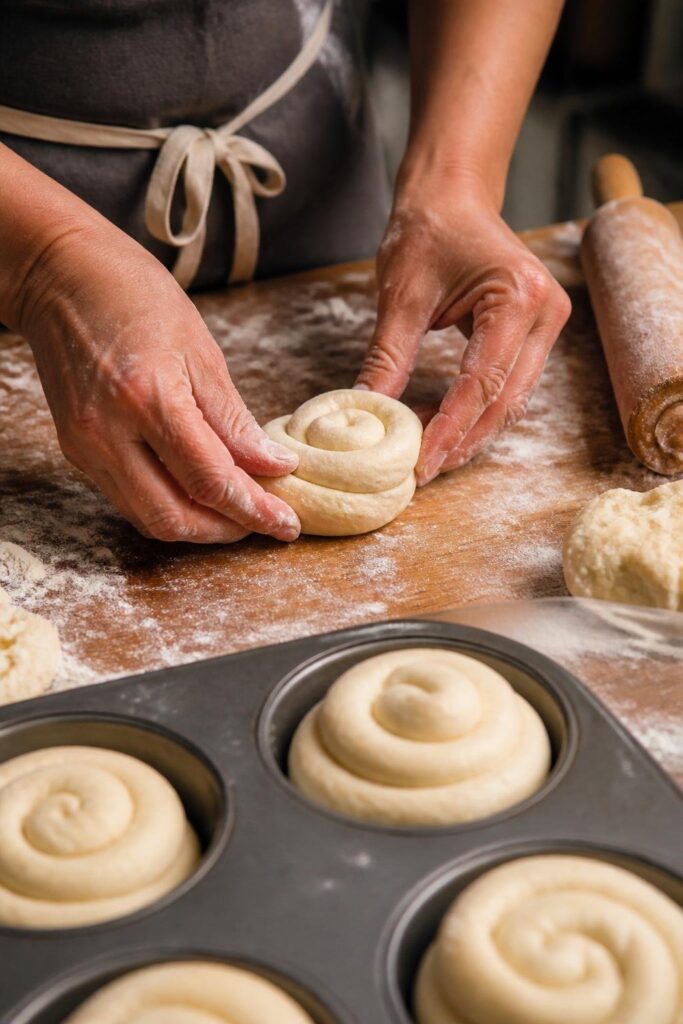
Roll each piece into a rope shape, then coil it loosely like a spiral.
Place each shaped dough piece into a greased muffin pan or baking pan.
Don’t worry if the shapes aren’t perfect.
Mine almost never match exactly.
Step 6: Second Rise
Cover the shaped dough again and let it rise for another 30 to 45 minutes.
The rolls should puff up noticeably.
This second rise helps create the soft bakery-style texture.
Step 7: Bake the Ensaymada
Preheat your oven to 350°F.
Bake the ensaymada for 16 to 18 minutes or until lightly golden on top.
You don’t want them too dark.
The tops should stay fairly soft and pale golden.
The smell during baking is honestly incredible. Warm butter and sweet bread fills the whole kitchen.
Step 8: Cool Slightly
Let the ensaymada cool for about 10 minutes.
If you spread the butter topping while they’re too hot, everything melts completely off.
I learned that the messy way.
Step 9: Add the Toppings
Spread softened butter generously over each roll.
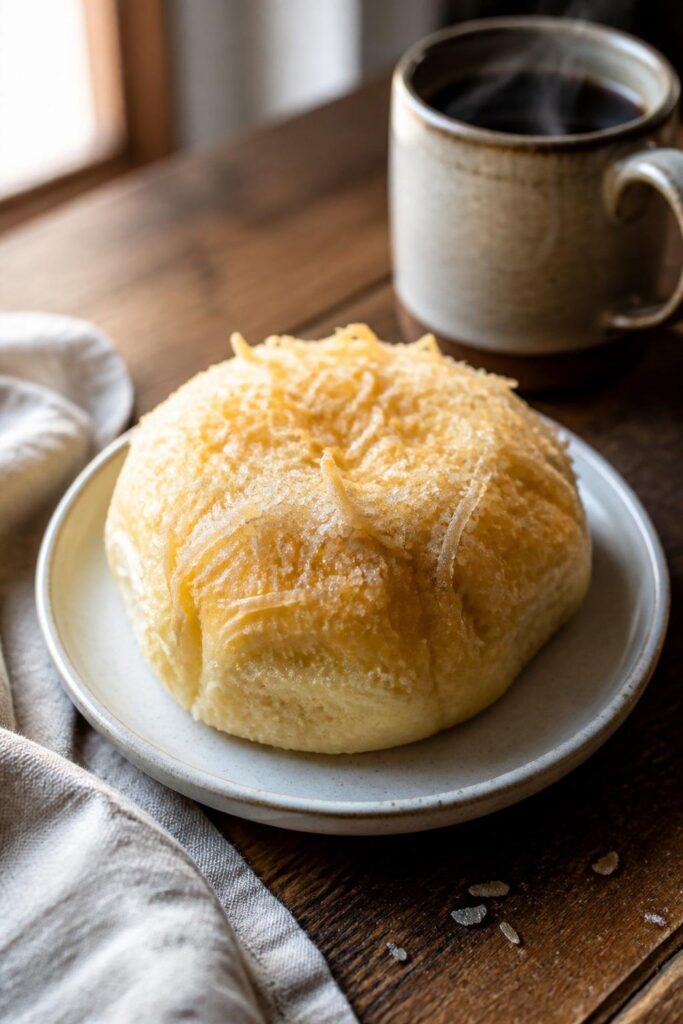
Sprinkle sugar over the butter, then top with grated cheddar cheese.
The butter melts slightly into the bread while the sugar gives a little crunch.
That sweet and salty combination is what makes this Mary Grace Ensaymada Recipe so good.
Common Mistakes to Avoid
Using Hot Milk
Milk that’s too hot can kill the yeast.
Warm is enough.
Adding Too Much Flour
The dough should stay slightly soft.
Too much flour creates dry, dense bread.
Skipping the Second Rise
This step really matters for texture.
Without it, the rolls won’t be as fluffy.
Overbaking
Ensaymada should stay soft.
If the tops turn dark brown, they may end up dry.
Adding Toppings Too Early
If the bread is piping hot, the butter and cheese slide right off.
Waiting a few minutes works better.
Pro Tips
- Use freshly grated cheese for better texture.
- Bread flour creates softer rolls than all-purpose flour.
- Let the dough rise in a warm place without drafts.
- Brush the pans lightly with butter for extra flavor.
- Slightly underbaking is better than overbaking here.
- Store leftovers in an airtight container so they stay soft.
What worked better for me was grating the cheese very finely. It sticks better to the butter topping.
Variations
Ube Ensaymada
Add ube flavoring or ube halaya to the dough for a purple version.
Cream Cheese Version
Spread softened cream cheese under the butter topping.
This version tastes extra rich.
Coconut Ensaymada
Add sweetened shredded coconut on top with the cheese.
Cinnamon Sugar Version
Mix cinnamon into the sugar topping.
It gives a warm bakery-style flavor.
Extra Cheesy Version
Double the cheese topping if you like a stronger salty balance.
That’s usually what I do.
Serving Ideas
This Mary Grace Ensaymada Recipe goes really well with warm drinks and simple breakfast foods.
Here are a few ideas:
- Hot coffee
- Iced coffee
- Milk tea
- Hot chocolate
- Fresh fruit
- Scrambled eggs
- Ham and cheese
- Buttered toast
I personally love eating one slightly warm with coffee in the morning.
The butter topping gets soft again and tastes even better.
Make-Ahead Tips
You can prepare the dough the night before.
After the first rise, cover the dough tightly and refrigerate overnight.
The next day, let it sit at room temperature for about 30 minutes before shaping.
You can also freeze the baked ensaymada without toppings.
When ready to eat, thaw them, warm slightly, then add fresh butter, sugar, and cheese.
Storage & Reheating Tips
Room Temperature Storage
Store the rolls in an airtight container for up to 2 days.
They stay surprisingly soft.
Refrigerator Storage
For longer storage, refrigerate for up to 5 days.
Freezer Storage
Wrap each roll individually and freeze for up to 2 months.
Reheating Instructions
Warm in the microwave for about 10 to 15 seconds.
You can also warm them in a 300°F oven for a few minutes.
I noticed reheating brings the buttery smell back almost immediately.
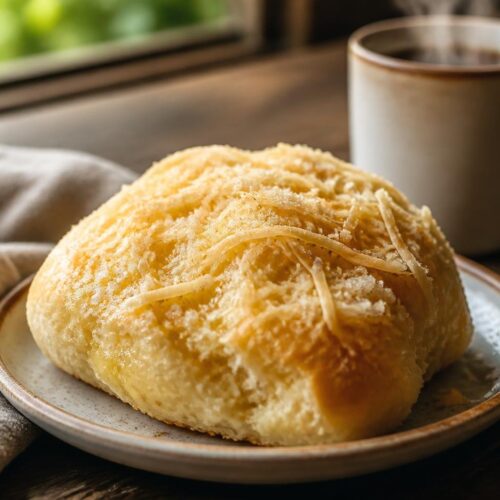
Mary Grace Ensaymada Recipe

Equipment
- Large mixing bowl
- Measuring cups and spoons
- Wooden spoon or spatula
- Stand mixer (optional but helpful)
- Baking pan or muffin tins
- Knife
- Pastry brush
- Kitchen towel
- Cooling rack
Ingredients
For the Dough
- 4 cups bread flour
- 1 packet active dry yeast 2 1/4 teaspoons
- 3/4 cup warm whole milk
- 1/2 cup granulated sugar
- 1/2 cup unsalted butter melted
- 3 large egg yolks
- 1 whole egg
- 1 teaspoon salt
- 1 teaspoon vanilla extract
For the Topping
- 1/2 cup softened unsalted butter
- 1/3 cup granulated sugar
- 1 cup grated cheddar cheese
Instructions
Step 1: Activate the Yeast
- In a large mixing bowl, combine the warm milk, yeast, and 1 tablespoon of the sugar.
- Let it sit for about 5 to 10 minutes until the mixture looks foamy.
- If nothing happens, the yeast may be old or the milk may have been too hot. I’ve done both before.
- The milk should feel warm, not hot.
Step 2: Mix the Wet Ingredients
- Add the melted butter, remaining sugar, egg yolks, whole egg, vanilla extract, and salt.
- Whisk everything together until smooth.
- The mixture will smell buttery and slightly sweet already.
Step 3: Add the Flour
- Slowly add the bread flour, about one cup at a time.
- Mix until a soft dough forms.
- Once the dough starts pulling away from the bowl, knead it for about 8 to 10 minutes.
- You can do this by hand or with a stand mixer.
- The dough should become smooth, stretchy, and slightly tacky but not overly sticky.
- I noticed adding too much flour too quickly makes the rolls heavier later.
Step 4: First Rise
- Place the dough into a lightly greased bowl.
- Cover it with a kitchen towel and let it rise in a warm spot for about 1 1/2 hours or until doubled in size.
- The first time I made this during winter, the dough barely moved because my kitchen was freezing.
- Now I usually place the bowl near the oven while it preheats slightly nearby.
Step 5: Shape the Dough
- Punch down the risen dough gently.
- Divide the dough into 12 equal portions.
- Roll each piece into a rope shape, then coil it loosely like a spiral.
- Place each shaped dough piece into a greased muffin pan or baking pan.
- Don’t worry if the shapes aren’t perfect.
- Mine almost never match exactly.
Step 6: Second Rise
- Cover the shaped dough again and let it rise for another 30 to 45 minutes.
- The rolls should puff up noticeably.
- This second rise helps create the soft bakery-style texture.
Step 7: Bake the Ensaymada
- Preheat your oven to 350°F.
- Bake the ensaymada for 16 to 18 minutes or until lightly golden on top.
- You don’t want them too dark.
- The tops should stay fairly soft and pale golden.
- The smell during baking is honestly incredible. Warm butter and sweet bread fills the whole kitchen.
Step 8: Cool Slightly
- Let the ensaymada cool for about 10 minutes.
- If you spread the butter topping while they’re too hot, everything melts completely off.
- I learned that the messy way.
Step 9: Add the Toppings
- Spread softened butter generously over each roll.
- Sprinkle sugar over the butter, then top with grated cheddar cheese.
- The butter melts slightly into the bread while the sugar gives a little crunch.
- That sweet and salty combination is what makes this Mary Grace Ensaymada Recipe so good.
Notes
- Use freshly grated cheese for better texture.
- Bread flour creates softer rolls than all-purpose flour.
- Let the dough rise in a warm place without drafts.
- Brush the pans lightly with butter for extra flavor.
- Slightly underbaking is better than overbaking here.
- Store leftovers in an airtight container so they stay soft.
FAQs
What is ensaymada?
Ensaymada is a soft Filipino sweet bread topped with butter, sugar, and cheese.
It’s often enjoyed for breakfast or snacks.
What cheese is best for ensaymada?
Cheddar cheese is the classic choice.
Mild cheddar works especially well.
Can I use all-purpose flour?
Yes, but bread flour gives a softer and slightly chewier texture.
Why is my dough not rising?
Usually the yeast is expired or the room is too cold.
Warm environments help the dough rise better.
Can I freeze ensaymada?
Definitely.
Freeze the rolls without toppings for best results.
Is this Mary Grace Ensaymada Recipe very sweet?
It’s sweet, but balanced.
The cheese helps cut through the sweetness nicely.
Final Thoughts
This Mary Grace Ensaymada Recipe became one of my favorite baking projects because it feels comforting without being complicated.
There’s something really satisfying about pulling soft homemade bread out of the oven and spreading butter over it while it’s still warm.
The sweet sugar topping, soft bread, and salty cheese combination just works.
And even if your spirals look uneven or your cheese falls everywhere a little, they’ll still taste homemade and cozy.
Honestly, those slightly imperfect batches are usually the ones my family finishes first.
I hope this Mary Grace Ensaymada Recipe brings a little warmth to your kitchen too.
It’s the kind of recipe that feels special enough for holidays but simple enough for regular weekends when you just want fresh homemade bread and coffee.
